Turn your strategy into a story people believe in. Takeover by Creative Solution Company.
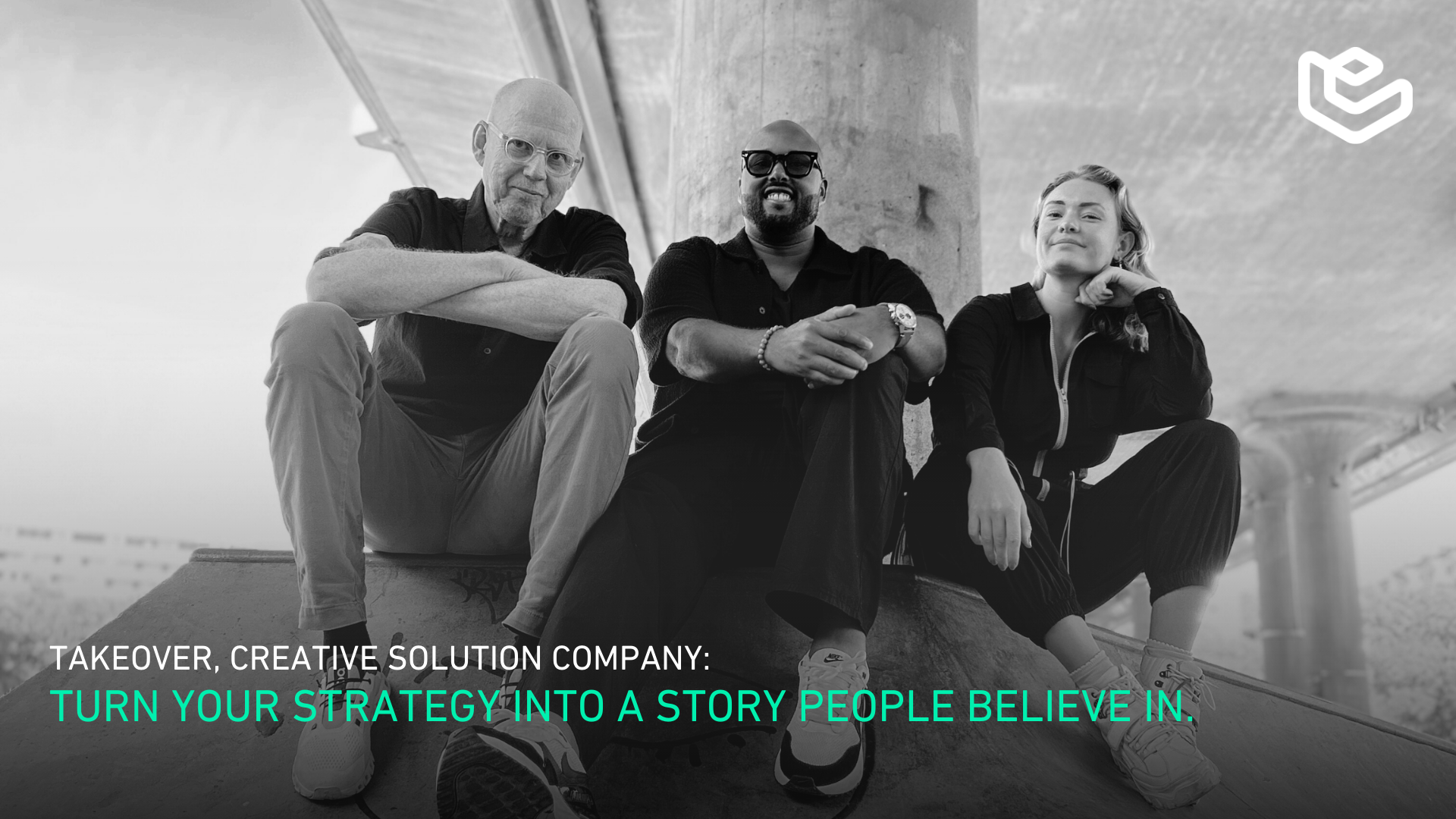
I worked as a professional actor and director for twenty years before I trained as a structural analyst. Everyone knows what an actor does, but very few have any idea what a structural analyst actually does.
There are great similarities — and great differences — between these two professions. A structural analyst is an expert in observing behavior and patterns based on how something is built — its structure.
When we can see that, we can also predict the outcome.
Whether we will succeed in achieving what we set out to do or not. It’s almost like being a detective — you investigate the motive behind the crime.
During all my years in business and the public sector, I’ve seen countless examples of failed strategies — plans that were supposed to create change and deliver results but never did. Everyone knows that change is difficult, especially when it involves existing structures — companies that have been around for a long time — but the same is true for startups. Most startups fail to achieve what they intended.
I had just finished teaching an international summer course on creative processes and creating when I was approached by a world-leading company asking for help with their strategy. Even before they asked, I knew my influence over them would be limited — despite my experience, knowledge, and expertise.
So I thought: Why not try something new?
Something I had never done before.
What if I combined my background in theatre, film, acting, and directing with my structural knowledge?
What would happen then?
I asked the client, and they thought it was a great idea.
So I put together a basic concept inspired by the way you develop scripts for feature films or TV series. I took all the key elements required to build a compelling and emotionally engaging story — and translated them into how a company is built, functions, and evolves. Then I carried out the strategic process.
It was an astonishing experience. Everyone who participated during those two days realized that something special was happening — and it happened effortlessly. The difference between inventing a story and working with an existing one is vast. But the similarities are striking.
A company is a story. It has, just like any film, recurring themes, repeating actions, and constant tension between forces that work for or against it.
During those two days, we turned everything we discovered into tangible stories that everyone could understand. These stories were grounded in the everyday reality of the workplace — conflicts became visible, ambitions and desires became concrete, and the language we used wasn’t the usual corporate jargon but something everyone could instantly relate to.
Normally, it takes months — sometimes years — to create a shared language within an organization. This time it happened in forty-eight hours. Why so fast? Why did people embrace it so fully?
The answer is simple: we live with stories every day.
According to international studies across 260 countries, the average person watches films, TV series, and documentaries for 3.2 hours per day. That was my greatest insight from those two days — the language is already there; people just need to become aware of how to use it. That’s how Strategy by Storytelling was born. Six months after that initial strategy session, the company was still using the same concept — just as vividly and effectively as during those first two days.
That’s the best proof you can get.
As a structural analyst, I’ve spent the past thirty years helping companies and organizations, both internationally and nationally. But nothing I’ve seen has created understanding, alignment, and energy as quickly and deeply as when strategy is told through story.
FAQ
Q: What is a structural analyst? A: An expert in observing behavior and patterns based on how something is built — its structure. By understanding structure, you can predict outcomes and identify why strategies succeed or fail.Q: What is Strategy by Storytelling? A: A strategic method that uses the building blocks of film and narrative — themes, tension, character, conflict — to help companies understand how they function and where they're headed.Q: How is it different from regular strategy work? A: Traditional strategy often takes months to create a shared language inside an organization. Strategy by Storytelling does it in 48 hours, using a language people already know from film and TV.Q: Does it actually stick? A: Six months after the first session, the company was still using the same framework — just as effectively as on day one.