How to Book a Meeting Room for a Workshop
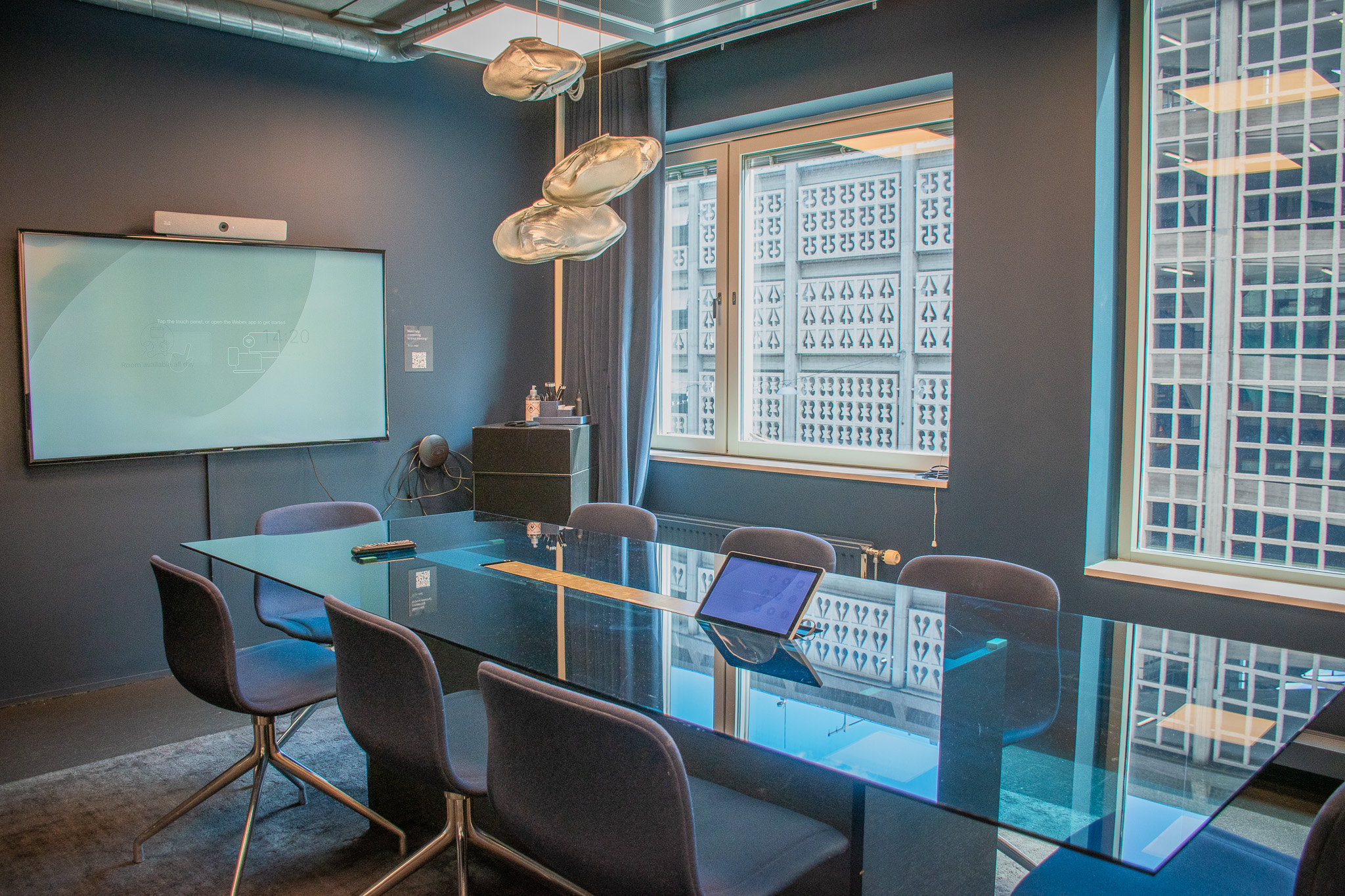
To book a meeting room for a workshop, begin with the outcome you need from the session, then turn that outcome into a clear brief: date, group size, format, room setup, access needs and the decisions you want participants to make. Share the brief with the venue before you confirm the room so the space supports the work, not just the calendar invite.
What should you decide before booking a meeting room?
Decide what must be true when the workshop ends. A useful outcome is specific enough to guide the agenda, such as agreeing three priorities, shaping a project plan or choosing a direction for a new service. The Center for Creative Leadership’s team charter guidance similarly starts with purpose, goals, roles and decision-making. Those are strong prompts for your workshop brief.
Then write down the non-negotiables. Include the date and time, the number of people, whether everyone will attend in person, and the person responsible for the final decision. This gives a venue enough context to recommend a room rather than simply offering the next empty slot.
How large should a workshop room be?
Choose the room around the activity, not only the headcount. A discussion-led session needs everyone able to see and hear one another. A workshop built around working groups needs space to break into smaller conversations, move around and return to a shared discussion.
For research workshops, the UK Government Service Manual describes small groups of 3 to 8 participants as easiest to manage, and notes that larger groups need more facilitation. Its guidance also recommends choosing a room with suitable floor and wall space, tables, chairs and equipment for the planned activities. Use that as a practical reminder to include the workshop method in your request, not just the attendee list.
Which room setup supports your workshop?
There is no single best setup. Pick the arrangement that makes the next action easy.
Boardroom: useful when the group needs a focused conversation and a clear decision.
Cabaret or small tables: useful when participants will work in teams and share ideas back to the room.
Open floor with movable furniture: useful for mapping, prototyping or exercises that need movement.
Presentation-facing layout: useful when short inputs need to alternate with discussion.
Ask whether the furniture can be rearranged before the session and whether there is visible wall space for workshop outputs. If you plan to use sticky notes, templates or printed prompts, say so early. A room can look right in a photo and still make the work harder.
What should you include in a workshop venue brief?
A venue brief is a short description of the session and what the room needs to make it work. It helps the venue team prepare and helps you compare options on the same terms.
Purpose: one sentence on the decision, plan or shared understanding the workshop should produce.
Date and timing: include set-up time before participants arrive and time to pack down afterwards.
Participants: give the expected number, who is facilitating and whether any guests will join for part of the day.
Room setup: describe the activity, not only a layout name. For example, “four small-group tables plus a shared presentation area”.
Materials and technology: list the screen, audio, whiteboards, flip charts, markers, paper, power access and any hybrid connection you need.
Accessibility: share access requirements early, including step-free access, seating needs, captions or other support that will help participants take part.
Food and breaks: state when the group needs breaks and whether refreshments are part of the day.
The UK Government’s workshop planning guidance recommends preparing materials, setting expectations in advance, keeping the agenda visible and allowing time before and after the session for set-up and clear-up. These details belong in the brief because they affect the room you need.
How do you compare meeting-room options?
Compare options against your workshop outcome. A lower room rate is not automatically the better choice if it leaves no time to set up, makes group work awkward or separates the session from the people and conversations that could move the work forward.
Use the same questions for every option: Can the room support the planned setup? What is included? Who will help on the day? When can the facilitator access the room? What happens if attendance changes? A clear answer to each question makes the decision easier for the person booking and for the people leading the workshop.
What should you confirm before the workshop day?
Confirm the final participant count, the room layout, arrival time, facilitator contact, technology and materials a few days before the session. Keep the agenda visible and leave room for breaks. The Government Service Manual recommends a simple arc for a workshop: open up thinking, focus on the decisions or topics that matter, then consolidate what emerged. Your room and run-of-show should give each part enough space.
At Epicenter, the room is part of a larger setting for collaboration. Epicenter is the growth and business platform for tech innovation in the Nordics, combining ecosystem, acceleration and space. For a workshop, that means starting with the business objective and choosing a meeting environment that helps people turn it into the next shared move.
Frequently Asked Questions
How far ahead should I book a meeting room for a workshop?
Book as soon as your date, group size and workshop objective are stable. If any of those may change, tell the venue what is still provisional and agree when you will reconfirm the details.
What information does a venue need for a workshop booking?
A venue needs the date, timings, attendee count, desired setup, technology, materials, accessibility requirements and food or break plans. Add the workshop purpose so the venue can understand how the room will be used.
Do I need a facilitator for a workshop?
A facilitator helps the group move through the agenda, make space for contributions and capture decisions. For a larger or more complex session, separate facilitation and note-taking responsibilities so one person is not trying to do both.
What makes a meeting room suitable for group work?
A suitable room has enough flexible seating, surfaces and movement space for the activities you have planned. It should also make shared outputs visible, whether that means wall space, whiteboards or a screen.
Should I book time before and after the workshop?
Yes. Reserve time to arrange the room, test the technology and lay out materials before participants arrive. Add time after the workshop to capture outputs and leave the room in good order.